
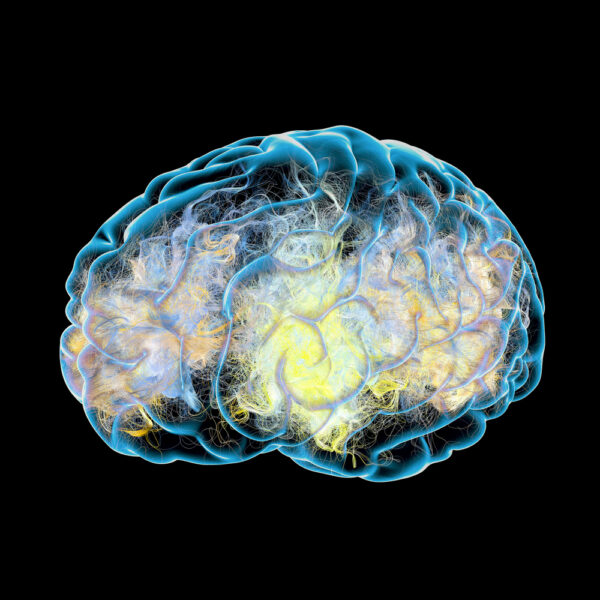
Memories of places “drift” across the brain as they are carried by different sets of neurons over time, a new study in mice suggests.
Historically, neuroscientists thought that memories of locations and features of our immediate environment were encoded by specific “place cells.” These place cells, located in a key memory center called the hippocampus, light up when a mammal enters the specific environment they correspond to — say, the door to a home or a waterfall on a hiking trail. It was thought that the activation of these place cells acted as a kind of map in the brain by encoding lasting memories of specific places as well as enabling navigation.
“Going back to the 1960s and 1970s, we basically thought that [spatial] memories were encoded by specific neurons in the brain,” said senior study author Daniel Dombeck, a professor and principal investigator of neurobiology at Northwestern University. “That was the thought for probably 30, 40 years — until about 10 years ago.”
“Writer Fuel” is a series of cool real-world stories that might inspire your little writer heart. Check out our Writer Fuel page on the LimFic blog for more inspiration.
